.png)
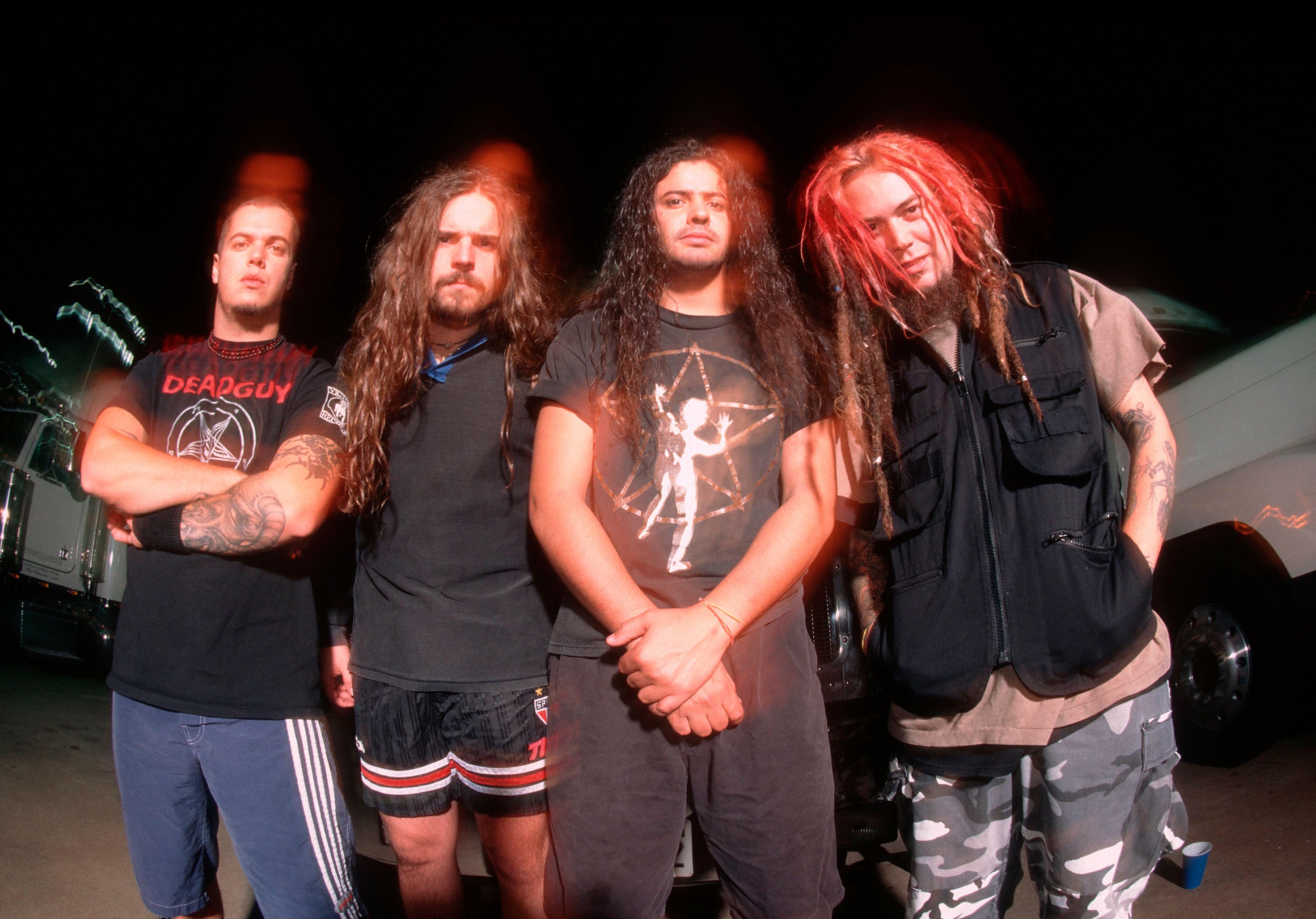
Sepultura The Evolution of Brazilian Metal Legends
When we think of heavy metal and its evolution, the global impact of its subgenres and iconic bands comes to mind. Among these, Brazilian band Sepultura stands out as a pioneering force in the metal scene. Formed in 1984 in Belo Horizonte, Brazil, Sepultura carved its niche in the metal genre, merging thrash metal with elements of tribal rhythms and traditional Brazilian music, subsequently creating a unique sound that resonated worldwide. Their journey over nearly four decades reflects not just the evolution of their music but also the broader trajectory of Brazilian metal.
Roots of Metal: Formation and Early Years
Sepultura started as a raw and youthful band inspired by the burgeoning metal scene of the time. In their early years, the group's lineup consisted of brothers Max and Igor Cavalera, alongside bassist Paulo Jr. and guitarist Jairo Guedz. The release of their debut album, 'Morbid Visions,' in 1986, showcased their intense, aggressive sound, immediately capturing the attention of metal enthusiasts. Their subsequent album, 'Beneath the Remains,' solidified their status as leaders in thrash metal, with songs that spoke to the struggles and social issues of Brazilian society. This early period laid the foundation for Sepultura’s influence, not just in Brazil but around the world.
Expanding Horizons: The Global Impact
As the 1990s rolled in, Sepultura's sound evolved significantly with the arrival of the acclaimed 'Roots' album in 1996. This album not only marked a creative peak for the band but also showcased their willingness to experiment by infusing Brazilian tribal elements into their music. Collaborations with indigenous musicians highlighted their cultural roots, broadening their appeal and reaching fans across various demographics. With 'Roots' as a high watermark, Sepultura began to tour internationally, garnering a dedicated global following. Their powerful performances and willingness to embrace diverse influences instilled a sense of respect and admiration from both fans and critics alike.
The Lineup Changes and Continued Legacy
Despite experiencing significant changes in their lineup—particularly with Max Cavalera's departure in 1996—Sepultura persevered. The addition of Derek Green as the lead vocalist marked a new chapter for the band. With Green at the helm, Sepultura explored different themes and sounds, releasing albums such as 'Against,' 'Nation,' and 'Machine Messiah,' which continued to captivate audiences. The band demonstrated resilience and adaptability, proving that even amidst challenges, their dedication to pushing musical boundaries remained unwavering. Today, Sepultura is recognized not just as a metal band but as a cultural phenomenon, with an enduring legacy that inspires countless musicians.
Sepultura Merch and Fan Culture
The band’s impact extends beyond music, cultivating a passionate fanbase that actively engages with their work. This vibrant fan culture is reflected in the popularity of Sepultura merchandise, which ranges from classic band t-shirts to unique collectibles. Fans proudly wear Sepultura merch as a testament to their loyalty and love for the band’s music, often sporting these items at concerts and festivals. The merchandise has become a symbol of the band’s identity and their connection to the global metal community. By investing in Sepultura merch, fans not only support the band financially but also participate in a shared culture that celebrates heavy metal's rich diversity.


